
An electrical connector is one of the most important components used in electrical and electronic systems. Its main function is to join two or more conductors so that electrical power or signals can pass from one device to another in a safe and reliable way. Although connectors are often small in size, they play a critical role in system stability, performance, and long-term safety.
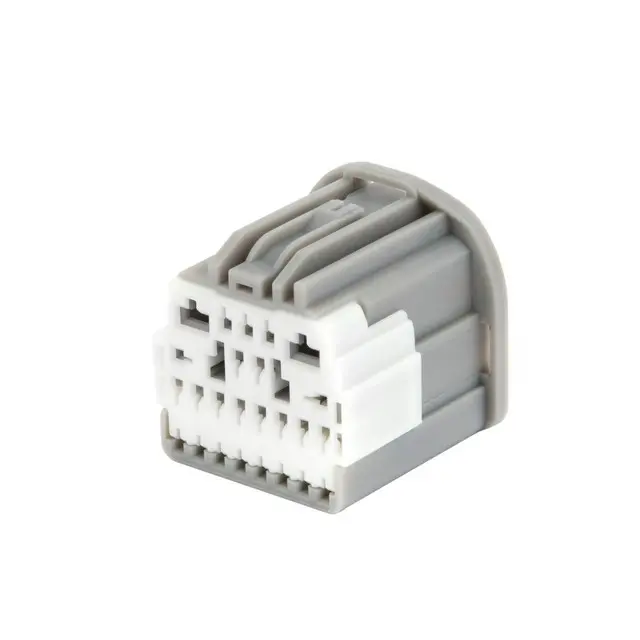
In simple terms, an electrical connector creates a detachable connection between wires, cables, circuit boards, or equipment. Instead of permanently joining conductors by soldering or welding, connectors make installation, maintenance, replacement, and upgrades much easier. This flexibility is especially important in modern industries where equipment must be assembled quickly and serviced efficiently.
Electrical connectors are widely used in household appliances, industrial automation systems, power distribution equipment, automotive electronics, communication devices, lighting systems, and consumer electronics. In all of these applications, the connector must provide strong conductivity, secure mechanical retention, and stable contact performance. If the connector is poorly designed or improperly selected, it may cause voltage drop, signal interruption, overheating, or even system failure.
A typical electrical connector usually includes conductive contacts and an insulating housing. The conductive contacts are made from materials such as copper alloy or brass to ensure good electrical performance. The housing is often made from durable engineering plastics that provide insulation, flame resistance, and structural support. In some cases, connectors may also include seals, locks, clips, or shielding components depending on the application.
The working principle of an electrical connector is straightforward. When the male and female parts are mated, the metal contacts inside touch each other and create an electrical path. A well-designed connector maintains low contact resistance and stable pressure at the contact points. This ensures that current or signals can pass smoothly without excessive heat generation or transmission loss. In applications involving vibration, humidity, or dust, the connector must also maintain its performance under harsh conditions.
There are many types of electrical connectors available on the market. Wire-to-wire connectors are used to join cable assemblies. Wire-to-board connectors connect wires to printed circuit boards. Board-to-board connectors create links between separate PCBs in compact electronic products. Circular connectors are often chosen for industrial and outdoor environments because of their strong sealing and locking performance. Terminal blocks, plug connectors, pin headers, and socket connectors are also common in different electrical systems.
Choosing the right electrical connector depends on several important factors. First, the rated current and voltage must match the application requirements. Second, the connector should be suitable for the operating environment, including temperature, vibration, moisture, and chemical exposure. Third, the number of positions, contact pitch, mounting method, and mating frequency should be considered carefully. In some industries, flame resistance, waterproof performance, EMI shielding, or compliance with standards such as UL, CE, or RoHS may also be required.
Material quality is another key factor. High-quality contacts help reduce contact resistance and improve conductivity. Proper plating, such as tin, gold, or nickel, can improve corrosion resistance and mating durability. A robust housing material helps the connector resist mechanical stress and environmental aging. These details directly affect the service life of the connector and the reliability of the final product.
As electrical systems become more compact, intelligent, and multifunctional, connectors are expected to deliver higher performance in smaller spaces. Manufacturers are increasingly developing connectors with miniaturized structures, higher current density, faster assembly features, and better resistance to vibration and harsh environments. This makes electrical connectors even more important in advanced applications such as electric vehicles, smart appliances, renewable energy systems, and industrial control equipment.
In conclusion, an electrical connector is far more than a simple linking part. It is a key component that supports safe electrical transmission, efficient assembly, reliable performance, and convenient maintenance. Whether used in consumer products or industrial machinery, the right connector helps improve system quality and reduce long-term operational risks. For manufacturers, engineers, and buyers, understanding connector performance is essential when selecting the best solution for any electrical application.
Bu web sitesi, web sitemizde en iyi deneyimi yaşamanızı sağlamak için çerezleri kullanır.

 English
 Español
 Portugues
 Pусский
 Français
 Deutsch
 日本語
 한국어
 العربية
 Italiano
 Polski
 ไทย
 हिन्दी
 Indonesia
 Melayu
 Tiếng Việt
 עִברִית

Yorum
(0)